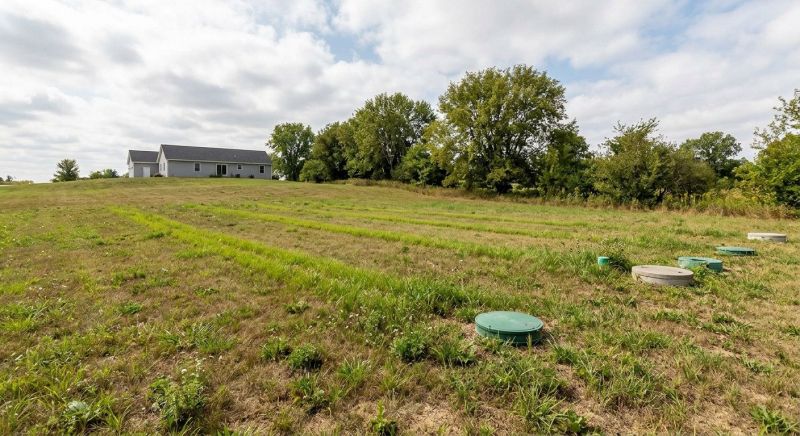
Drain Field Installation in Austin, TX
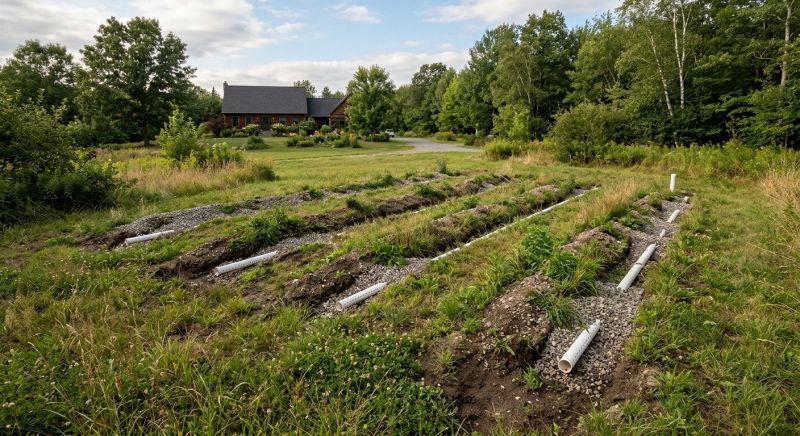
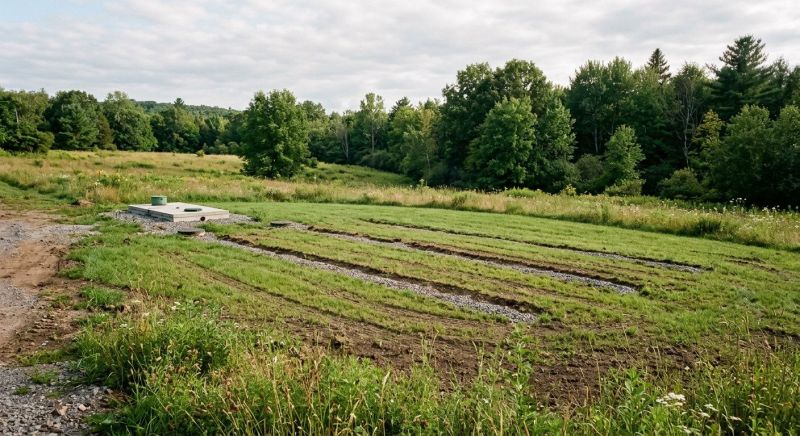
Drain field installation services involve setting up underground systems designed to safely disperse treated wastewater from a septic system into the soil. This process typically covers a range of projects, including replacing aging drain fields, expanding existing systems to accommodate property improvements, or installing new systems for homes that are not connected to municipal sewer lines. Property owners often want to understand the size and suitability of their land for a drain field, as well as factors like soil type and drainage capacity, to ensure proper functioning and compliance with local regulations.
Before requesting drain field installation, homeowners should consider the property's layout, the location of existing septic components, and any restrictions or requirements related to setbacks from wells, property lines, or structures. It’s also helpful to understand the estimated space needed for the system and any potential impact on landscaping or future property use. Gathering information about the property's soil conditions and drainage patterns can support informed decisions and help ensure the installation meets both immediate needs and long-term performance expectations.
Many property owners in Austin, TX look into Drain Field Installation for repairs, replacements, upgrades, and appearance-related improvements.
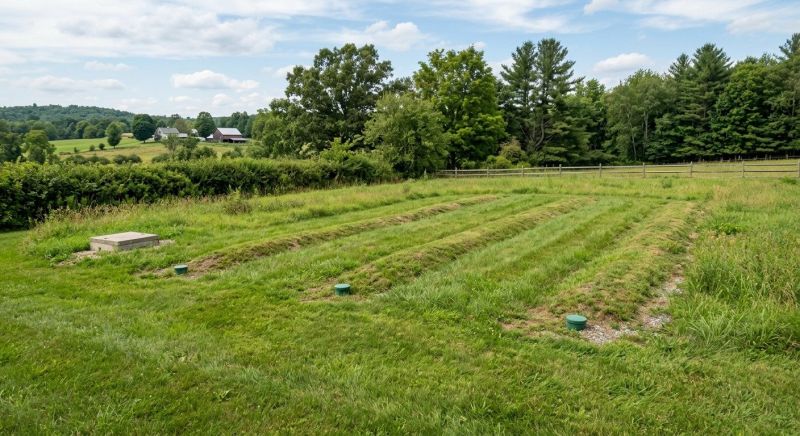
Drain Field Design And Planning
Proper planning ensures effective wastewater management for residential and commercial properties.
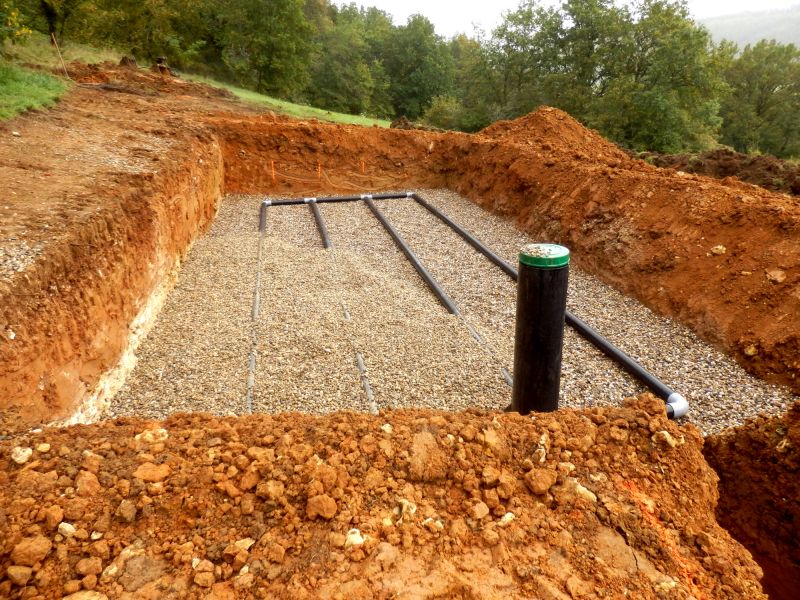
Drain Field Installation Process
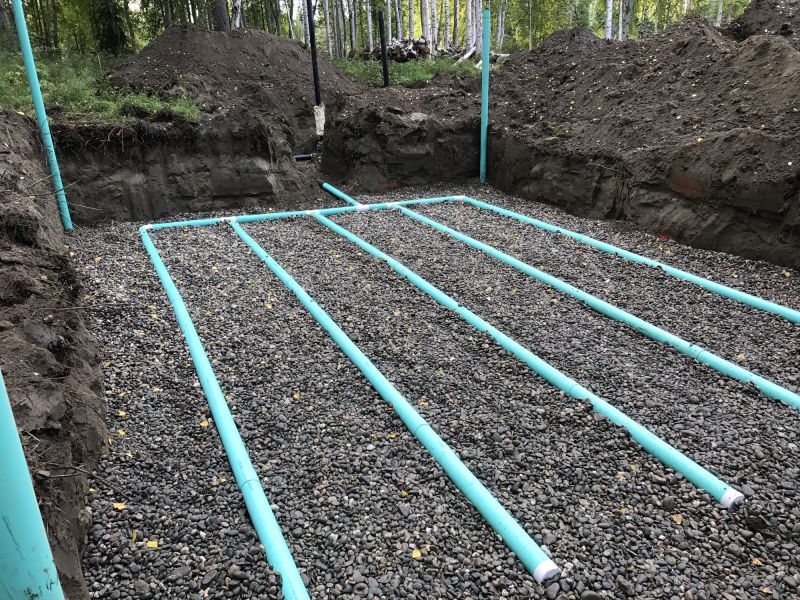
Installation involves selecting the right location, trenching, and laying the distribution system to ensure proper function.
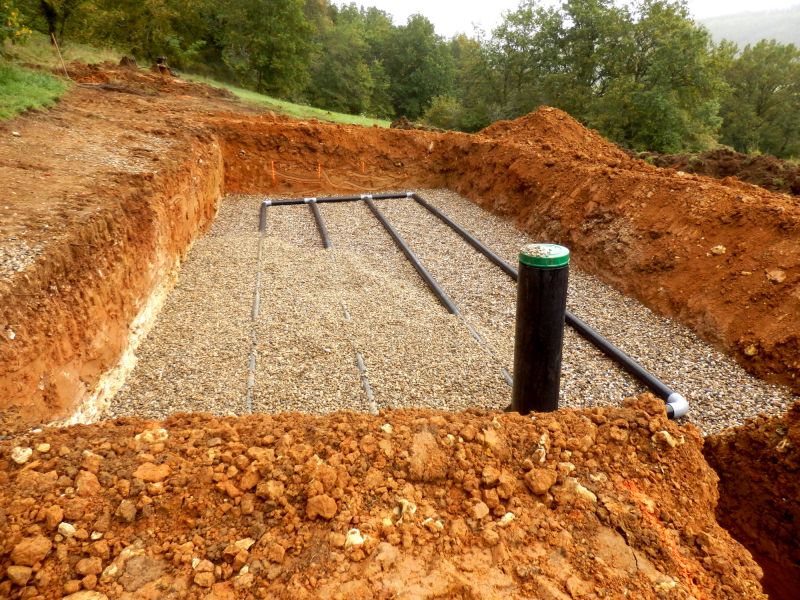
Maintenance And Troubleshooting
Regular inspection helps identify issues early and prolongs the lifespan of the drain field system.
Drain Field Installation in Austin, TX

Drain field installation services involve setting up underground systems designed to safely disperse treated wastewater from a septic system into the soil. This process typically covers a range of projects, including replacing aging drain fields, expanding existing systems to accommodate property improvements, or installing new systems for homes that are not connected to municipal sewer lines. Property owners often want to understand the size and suitability of their land for a drain field, as well as factors like soil type and drainage capacity, to ensure proper functioning and compliance with local regulations.
Before requesting drain field installation, homeowners should consider the property's layout, the location of existing septic components, and any restrictions or requirements related to setbacks from wells, property lines, or structures. It’s also helpful to understand the estimated space needed for the system and any potential impact on landscaping or future property use. Gathering information about the property's soil conditions and drainage patterns can support informed decisions and help ensure the installation meets both immediate needs and long-term performance expectations.
Many property owners in Austin, TX look into Drain Field Installation for repairs, replacements, upgrades, and appearance-related improvements.
Common Drain Field Installation Jobs
Drain field installation involves setting up the underground system that safely disperses wastewater from a septic tank.
Leach field construction helps prevent system backups by creating proper drainage for sewage effluent.
Septic drain field setup ensures wastewater is effectively filtered and absorbed into the soil.
Soil absorption system installation improves the longevity and functionality of a septic system.
Drain field replacement is needed when the existing system fails or becomes inefficient.
Percolation testing services assess soil suitability before installing a new drain field.
Drain Field Installation Questions
What is a drain field? A drain field is an underground system that disperses treated wastewater from a septic tank into the soil, ensuring proper drainage and preventing backups.
How do I know if my drain field needs replacement? Signs include persistent odors, standing water, or lush, green patches over the area, indicating potential failure or clogging.
What factors influence drain field installation? Soil type, property size, and local regulations are key considerations when planning a drain field installation.
Can a drain field be expanded or repaired? Yes, some issues can be addressed through repairs or modifications, but extensive damage may require replacement of the system.
Request Drain Field Installation in Austin, TX
Use the quote form on this page to share the basics of your project and request more information for the type of work you need.