Sewage Field Installation in Denver, CO
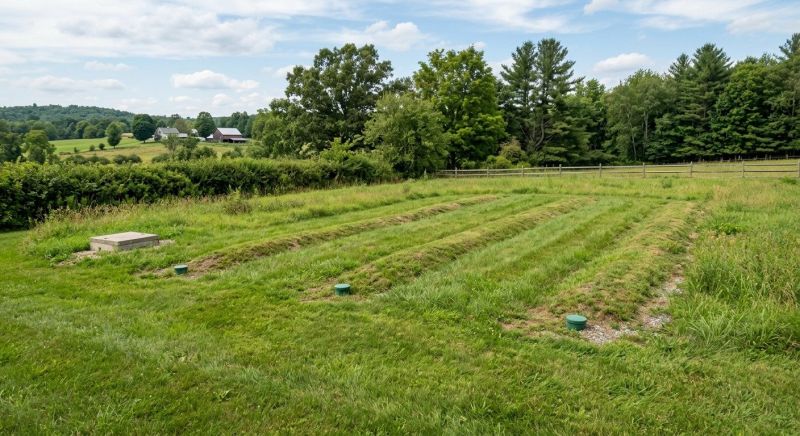
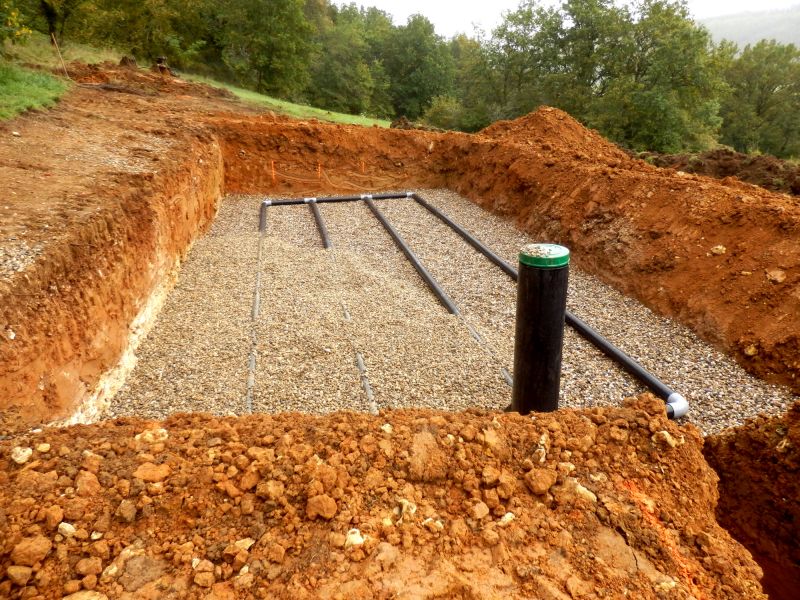
Sewage field installation services involve setting up the underground systems that carry wastewater away from residential properties. This process is essential for homes that are not connected to municipal sewer lines, such as new constructions or properties undergoing significant renovations. Projects typically include designing, excavating, and installing septic drain fields to ensure proper waste management and environmental protection. Property owners should understand the importance of proper site assessment, soil conditions, and system sizing to ensure the sewage field functions effectively and meets local codes.
Before requesting sewage field installation, homeowners often want to know about the scope of the project, including site preparation, required permits, and the maintenance considerations of the system. It’s also helpful to clarify any restrictions related to property size or soil type that could impact the installation process. Understanding these factors can help ensure the chosen system aligns with the property’s needs and complies with local regulations, providing a reliable solution for wastewater disposal.
Many property owners in Denver, CO look into Sewage Field Installation for repairs, replacements, upgrades, and appearance-related improvements.
Sewage Field Design And Planning
Proper planning ensures effective sewage disposal for residential and commercial properties in denver.
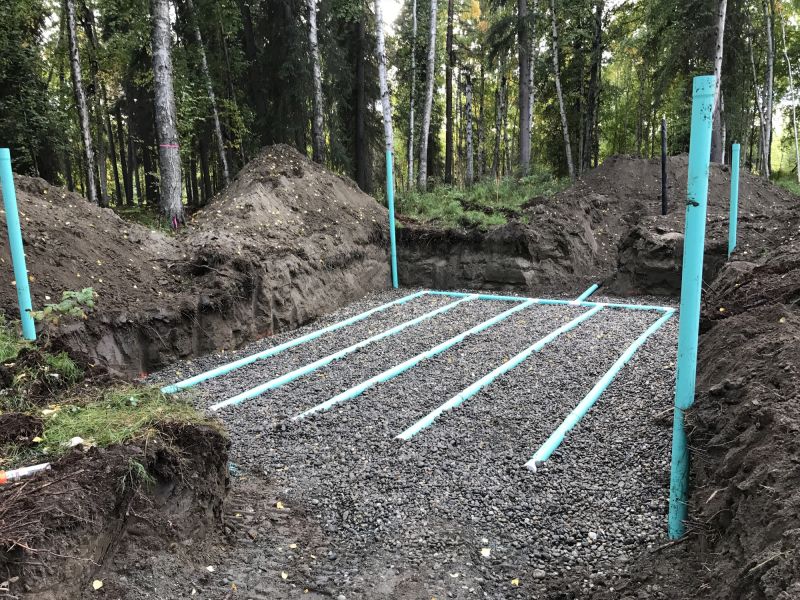
Sewage Field Installation Techniques
Advanced installation methods help create durable and reliable sewage systems tailored to property needs.
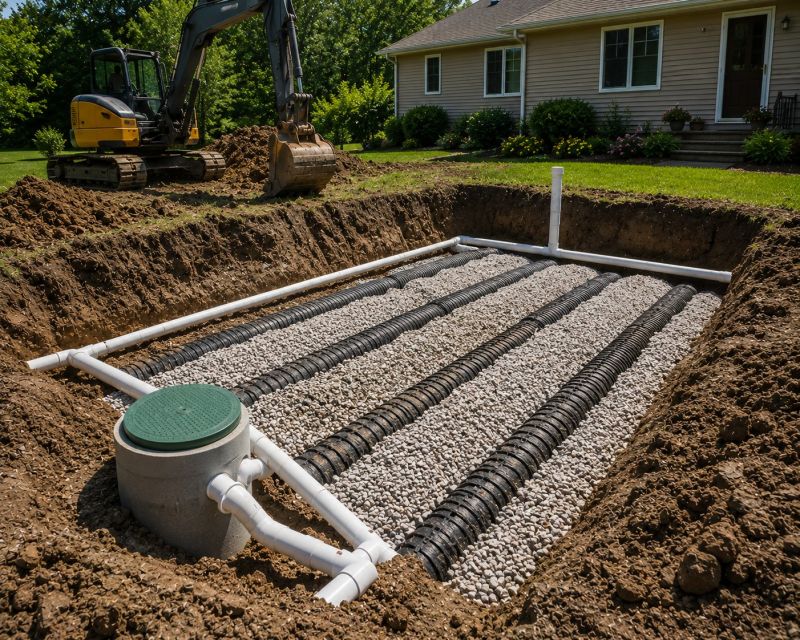
Maintenance And System Upgrades
Regular inspections and upgrades extend the lifespan of sewage fields and prevent costly issues.
Sewage Field Installation in Denver, CO

Sewage field installation services involve setting up the underground systems that carry wastewater away from residential properties. This process is essential for homes that are not connected to municipal sewer lines, such as new constructions or properties undergoing significant renovations. Projects typically include designing, excavating, and installing septic drain fields to ensure proper waste management and environmental protection. Property owners should understand the importance of proper site assessment, soil conditions, and system sizing to ensure the sewage field functions effectively and meets local codes.
Before requesting sewage field installation, homeowners often want to know about the scope of the project, including site preparation, required permits, and the maintenance considerations of the system. It’s also helpful to clarify any restrictions related to property size or soil type that could impact the installation process. Understanding these factors can help ensure the chosen system aligns with the property’s needs and complies with local regulations, providing a reliable solution for wastewater disposal.
Many property owners in Denver, CO look into Sewage Field Installation for repairs, replacements, upgrades, and appearance-related improvements.
Common Sewage Field Installation Jobs
Sewage Field Installation - Installing new sewage fields for residential and commercial properties.
Sewage Field Repair - Repairing damaged or failing sewage systems to prevent backups and leaks.
Sewage Field Replacement - Replacing outdated or broken sewage fields to ensure proper waste management.
Sewage Field Expansion - Extending existing sewage systems to accommodate property additions or upgrades.
Sewage System Inspection - Conducting thorough inspections to assess the condition of sewage fields and identify issues.
Sewage Field Maintenance - Performing routine maintenance to keep sewage systems functioning efficiently.
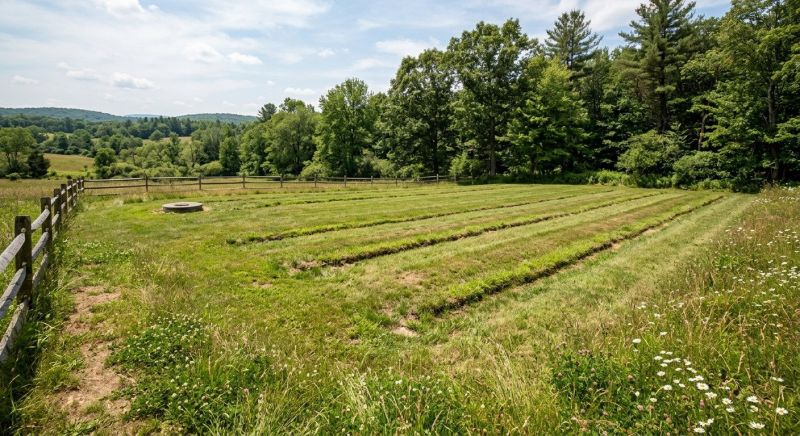
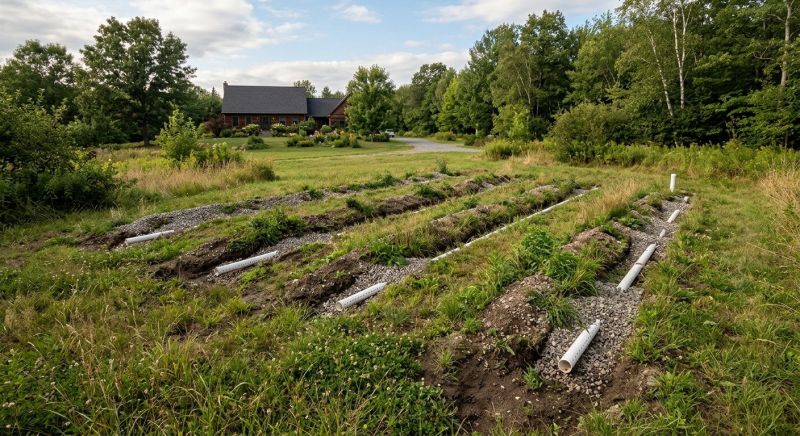
Sewage Field Installation Questions
What is sewage field installation? It is the process of setting up a drainage system to safely manage wastewater from a property.
When is sewage field installation needed? It is typically required when installing a new septic system or replacing an existing one.
What types of properties require sewage field installation? Residential homes, commercial buildings, and properties without access to municipal sewer lines often need this service.
What factors influence the size of a sewage field? Soil type, property size, and household water usage are key considerations for proper sizing.
Request Sewage Field Installation in Denver, CO
Use the quote form on this page to share the basics of your project and request more information for the type of work you need.