Septic Plumbing Installation in Denver, CO
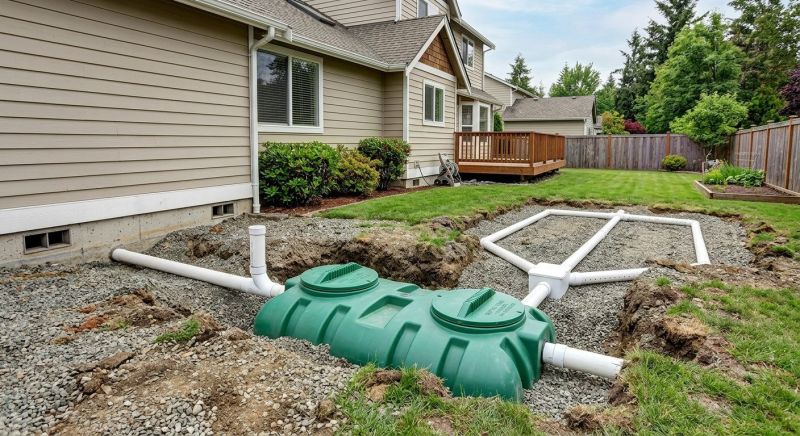
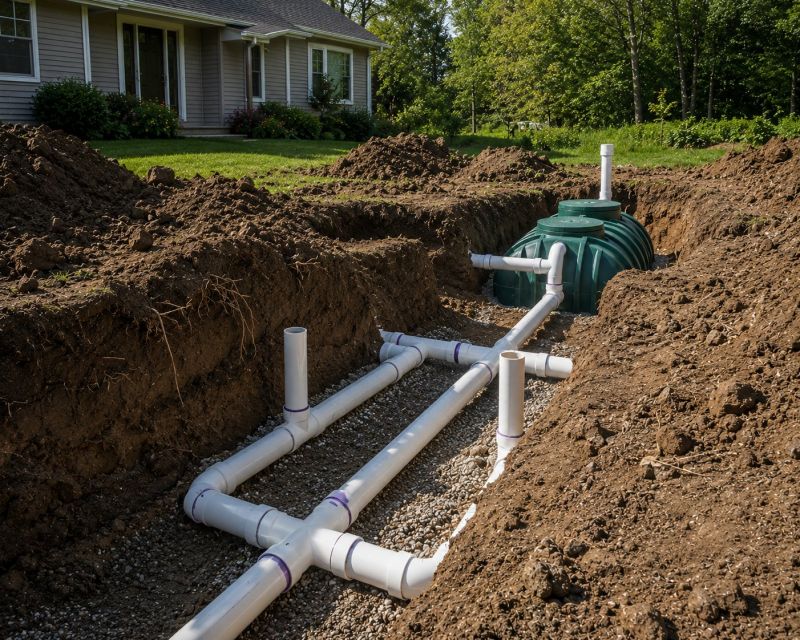
Septic plumbing installation involves setting up the system that manages wastewater for homes not connected to municipal sewer lines. This service includes installing septic tanks, drain fields, and connecting pipes to ensure proper waste treatment and disposal on the property. Projects can range from installing a new septic system for a newly built home to replacing or upgrading an existing system that no longer functions effectively. Property owners should understand the importance of proper placement, sizing, and maintenance requirements to ensure the system operates efficiently and complies with local regulations.
Before requesting septic plumbing installation, homeowners typically want to know about site suitability, including soil conditions and space requirements, as well as the components involved in the system. It’s also helpful to understand the process of permitting and inspections that may be necessary, along with considerations for future maintenance and potential upgrades. Having clear information about these aspects can help property owners plan effectively and ensure the installation meets their household needs.
Many property owners in Denver, CO look into Septic Plumbing Installation for repairs, replacements, upgrades, and appearance-related improvements.
Septic System Installation
Proper installation ensures reliable wastewater management for residential and commercial properties.
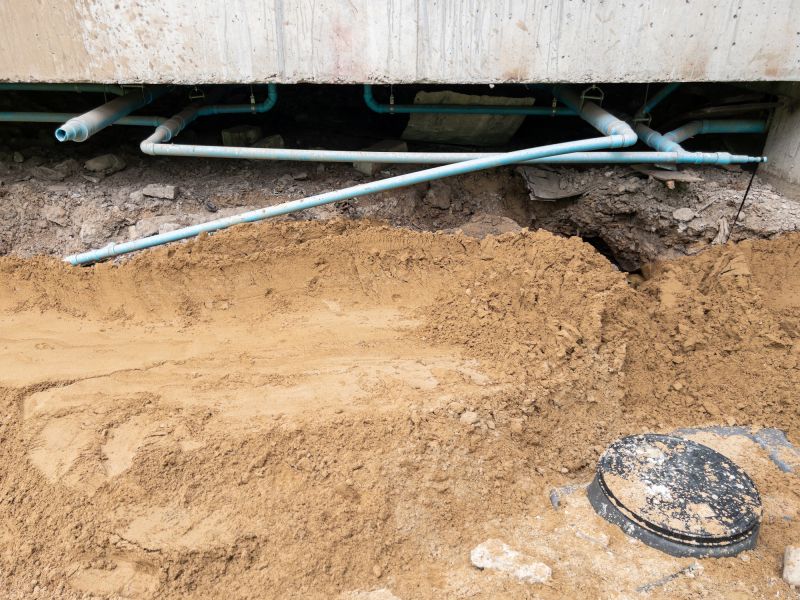
Septic Pipe Connections
Secure and efficient piping is essential for the effective operation of septic systems in denver and nearby areas.
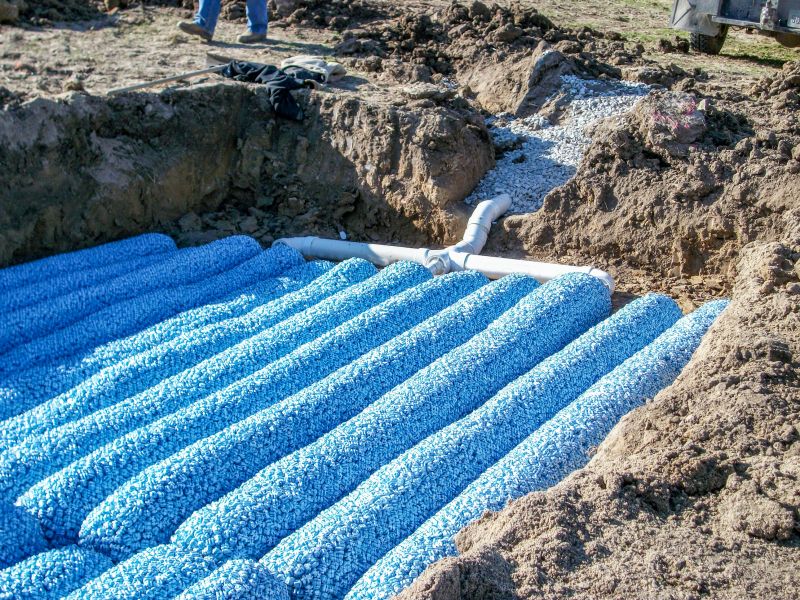
Septic System Maintenance
Regular upkeep helps prevent system failures and extends the lifespan of septic plumbing components.
Septic Plumbing Installation in Denver, CO

Septic plumbing installation involves setting up the system that manages wastewater for homes not connected to municipal sewer lines. This service includes installing septic tanks, drain fields, and connecting pipes to ensure proper waste treatment and disposal on the property. Projects can range from installing a new septic system for a newly built home to replacing or upgrading an existing system that no longer functions effectively. Property owners should understand the importance of proper placement, sizing, and maintenance requirements to ensure the system operates efficiently and complies with local regulations.
Before requesting septic plumbing installation, homeowners typically want to know about site suitability, including soil conditions and space requirements, as well as the components involved in the system. It’s also helpful to understand the process of permitting and inspections that may be necessary, along with considerations for future maintenance and potential upgrades. Having clear information about these aspects can help property owners plan effectively and ensure the installation meets their household needs.
Many property owners in Denver, CO look into Septic Plumbing Installation for repairs, replacements, upgrades, and appearance-related improvements.
Common Septic Plumbing Installation Jobs
Septic Tank Installation - professional setup of new septic systems for residential properties.
Septic System Replacement - removal of outdated or failing septic tanks and installation of modern units.
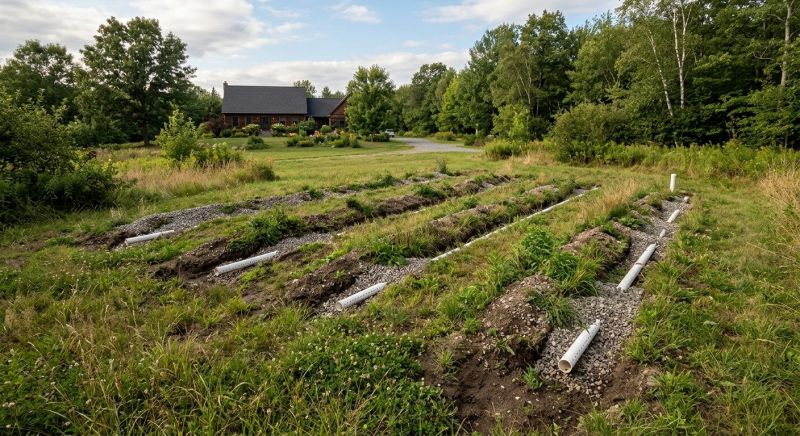
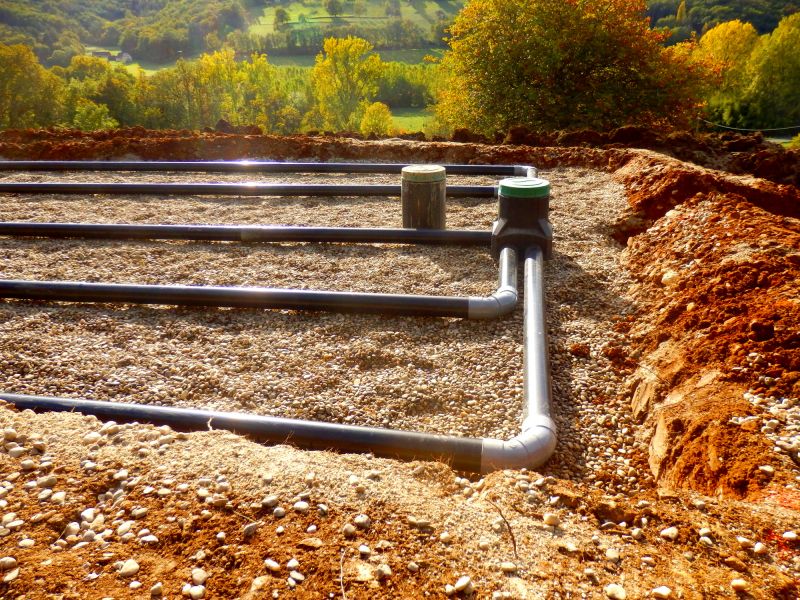
Septic Drain Field Installation - designing and installing drain fields to ensure proper wastewater absorption.
Septic System Upgrades - improving existing systems to meet current standards and increase efficiency.
Septic Tank Maintenance Access - creating access points for inspection and routine servicing of septic tanks.
Septic System Extensions - adding new drain lines or expanding existing systems to accommodate property changes.
Septic Plumbing Installation Questions
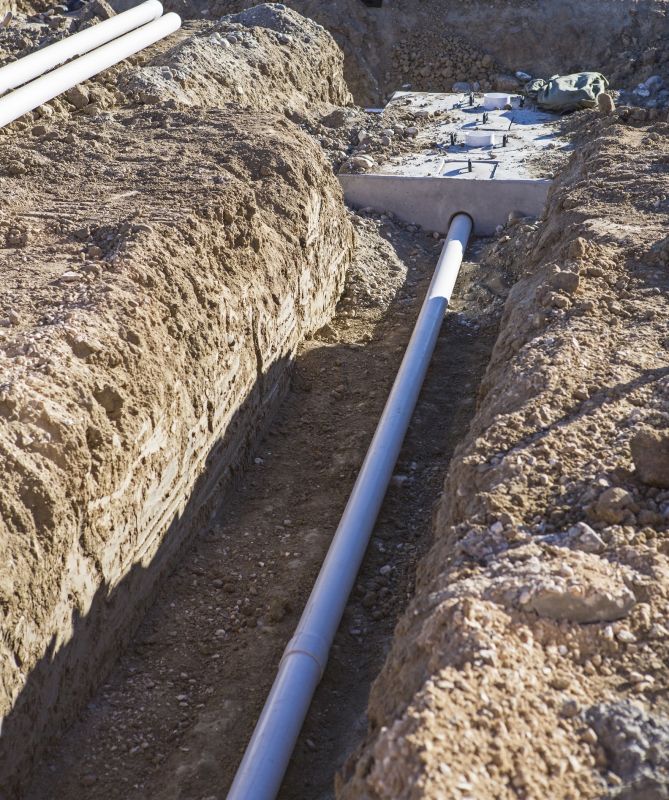
What is involved in septic plumbing installation? The process includes designing, excavating, installing pipes, and connecting the septic tank to ensure proper waste flow and system operation.
How do I know if my property needs a new septic system? Signs include persistent odors, slow drains, or standing water near the drain field, indicating the current system may require replacement or upgrade.
What types of septic tanks are commonly installed? Conventional concrete, fiberglass, and plastic tanks are typical options, chosen based on property size and usage needs.
Are there regulations to consider for septic installation? Yes, local codes and permits govern septic system placement and design to ensure environmental safety and proper functioning.
Request Septic Plumbing Installation in Denver, CO
Use the quote form on this page to share the basics of your project and request more information for the type of work you need.